A useful room does not need to be large. It needs a clear purpose, a comfortable place to sit and enough space to move between the two. When we rearranged the corner beside our living-room window, we began with an ordinary question: where would we actually want to spend half an hour at the end of the day?
The answer was not the arrangement that looked best from the doorway. It was the one that put a book within reach, left a place for a cup and caught the last of the afternoon light. Getting there involved a few small changes, several cups of tea and more moving things back than we expected.
Start with the everyday
Before you move any furniture, notice how the room behaves. Watch where people pause, which surfaces collect things and which route everyone takes without thinking. A room already contains useful clues about what it wants to do. The chair nobody sits in may be in the wrong place; the pile of books by the window may be pointing towards a better one.
Our starting point was a narrow space between a bookcase and the window. It had become home to a spare stool, an empty basket and a plant that was never quite happy there. None of those things was particularly troublesome. Together, though, they left just enough space to walk through and no reason to stop.
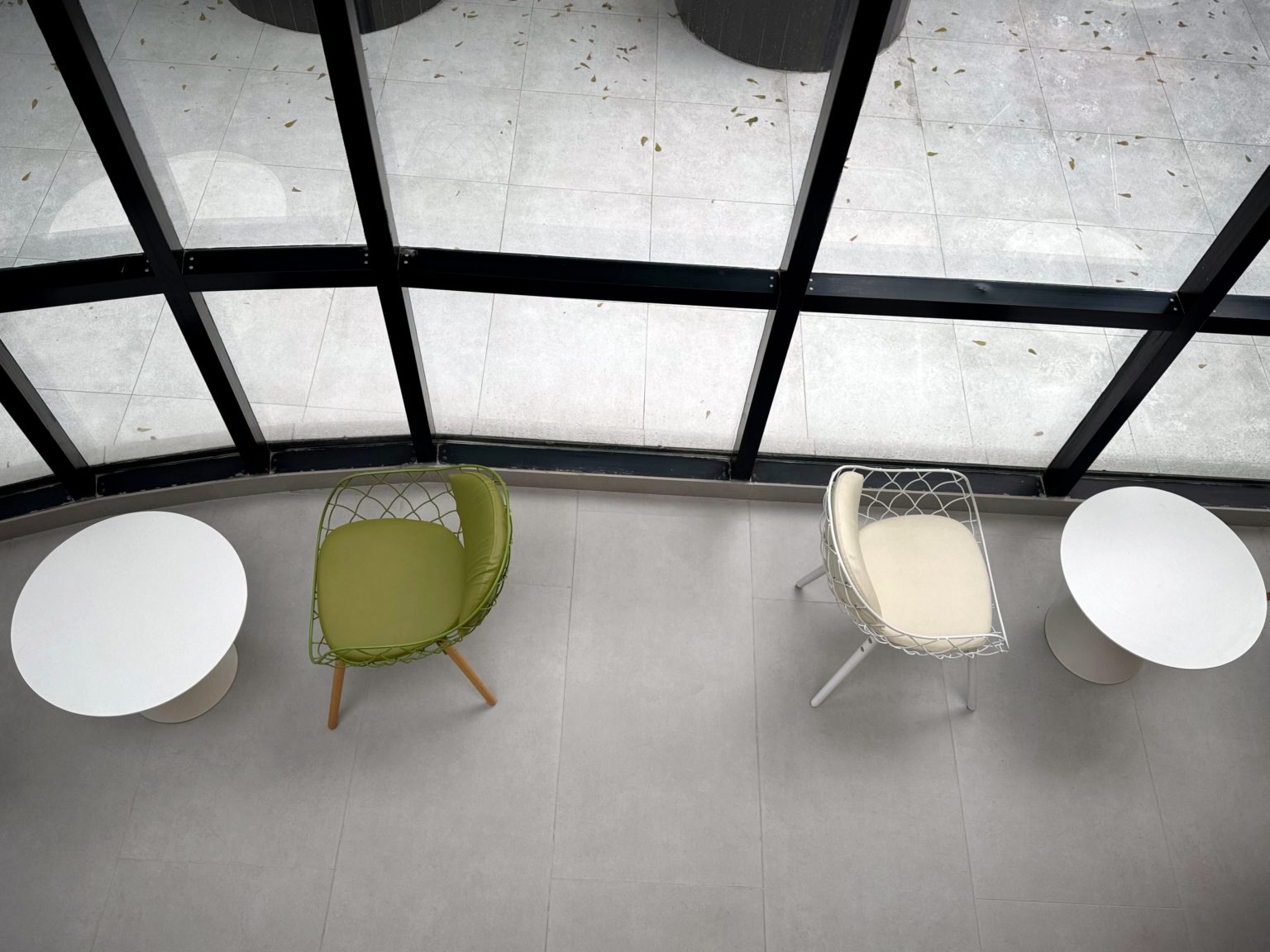
We cleared the corner before deciding what should return. Seeing the floor again made the choice easier. There was room for a comfortable chair and a small table, provided we stopped expecting the same few square feet to be storage, display and a route through the room.
Give one activity enough room
Choosing a purpose sounds restrictive until you try it. A place for reading asks different things of a room from a place for conversation. You need somewhere to rest your arms, enough light to see a page and a surface that does not require leaning across the chair. Those small practical questions are more helpful than deciding whether a corner looks finished.
We used the chair we already owned. Turning it slightly towards the window opened a route behind it and made it feel less like an exhibit against the wall. The table moved to the side of the hand that naturally reached for a cup. The basket stayed out because, once the chair was in place, it had no useful job to do.
- Sit in the chair before deciding where the table belongs. A comfortable reach matters more than a tidy photograph.
- Walk through the room carrying something. The route should still feel obvious when your attention is elsewhere.
- Try the light at the time you expect to use the corner. A bright morning view can become a very different place after sunset.
Leave a little space unfinished
It was tempting to fill the remaining space immediately. A second plant, a larger lamp and something for the wall all seemed like sensible additions. We left them for another day. A room needs a little time to show you what is missing, and an empty surface is useful when you actually live beside it.
During the first week, the table held a book, a notebook and a cup. Sometimes it held none of those things. That flexibility turned out to be more valuable than an arrangement that looked complete all the time. The corner could absorb an ordinary afternoon without needing to be reset afterwards.
The best place in a room is the one you find yourself using.
A note from the studio
Live with it, then adjust
After a few evenings, one problem became obvious: the lamp stood directly behind the chair, which made it awkward to switch on. Moving it a little to the side solved the problem and changed almost nothing about the appearance of the room. It was exactly the kind of adjustment we would have missed if we had treated the first arrangement as the final one.
A week later we moved the table again. A month later a different book found its way there. Rooms change as the people using them change, and a useful arrangement leaves room for that. Take a photograph if you want to remember where you began, but judge the result by the time you spend in it.
You do not need to begin with the whole room. Pick the place that almost works, remove one thing that has no clear purpose and make one activity easier. Often that is enough to turn an overlooked corner into somewhere you choose to be.