Case study, in four photographs
The anatomy of a quieter checkout
A six-week redesign for a homeware shop, told from the counter outwards.
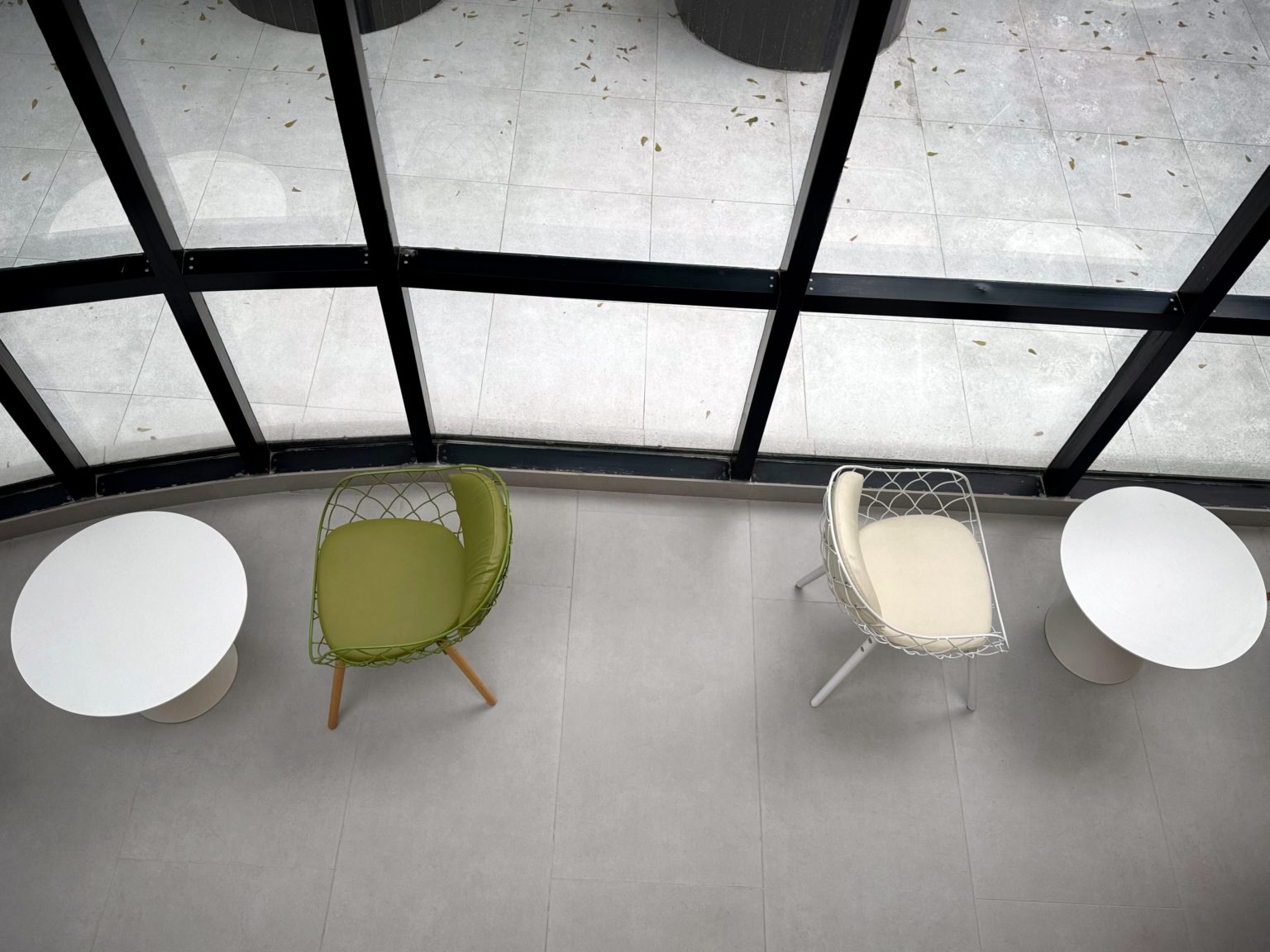
The collection corner, where every online order ended up.
Brief
Collection customers were asked for a delivery address nobody used, and staff re-keyed every order before it reached this corner. The brief was to remove both, and nothing else.
The shop had grown from a single counter to two locations in three years, and the online order had grown with it in the least planned way possible. Click and collect was bolted onto a delivery checkout, so every collection customer walked through the same eleven steps as someone waiting for a courier, including a postcode lookup and a delivery note field.
Behind the counter, the cost was worse. Orders arrived as emails, were printed, re-typed into the stock system and then written on a paper slip for the shelf. On a Saturday, two members of staff spent most of the morning doing nothing but copying, and a mistyped reference meant a customer standing at the counter while someone searched the back room.
We agreed a narrow scope on purpose. No new brand, no new platform and no loyalty scheme: just a checkout that asks collection customers only what it needs, and an order that reaches the shelf without being typed a second time. Everything else went on a list for later.
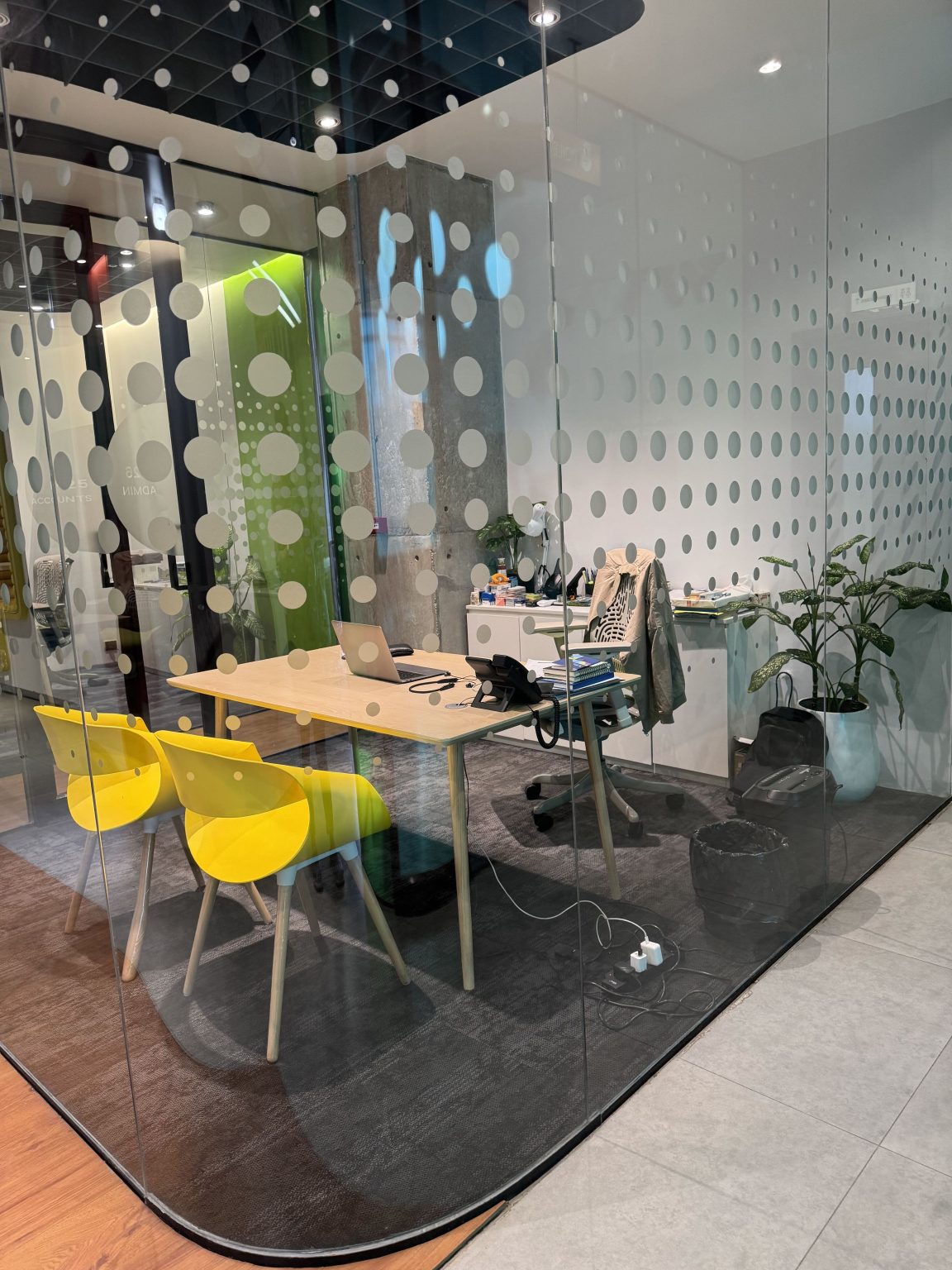
The back office, where twelve ordinary orders were watched end to end.
Approach
Customers chose delivery or collection long before the form asked them to. We tested a plain prototype built around that moment with six customers and four counter staff, one question per round.
The first week was spent watching, not designing. We sat behind the counter on two busy afternoons and followed twelve ordinary orders from the moment the email arrived to the moment a customer walked out with a bag. Every hand-off, every re-typed number and every phone call was written down on a single long timeline.
That timeline changed the brief. The slowest part of collection was not the checkout at all; it was the gap between an order being paid and staff knowing where it was. A cleaner form alone would have saved customers a minute and saved the counter nothing.
Prototypes were deliberately rough: grey boxes, real product names and a working confirmation email. Each round asked one question, such as whether customers understood the collection time or whether staff could find an order from its reference alone. We changed one thing between rounds, so every result pointed at a single cause.
By the fourth round, customers finished the collection path without hesitation, and staff found every test order in under ten seconds. That was the point at which we stopped testing and started building.
One reference now follows an order from basket to shelf.
System
One opening choice now controls the fields below it: collection reveals a time and a counter, delivery an address. Both write the same order record, so the counter and customer service read one truth.
The order reference became the spine of the system. It is short enough to read aloud, printed large on the confirmation email, shown on the customer's phone and written on the shelf label. Staff never need to search by name or date; the reference alone finds the order, the bag and the payment.
Stock is reserved the moment payment clears, not when someone gets round to re-keying the order. If an item is short, the counter sees it before the customer is told their order is ready, and the confirmation waits until the bag is genuinely complete.
We kept the tools the team already knew. The stock system stayed; we connected it rather than replaced it. The counter uses one new screen, a list of today's collections in time order, and a single button that marks an order as collected and sends the customer a receipt.
Training took an hour per location, most of it spent on the unusual cases: a partner collecting on someone's behalf, a changed collection time and a refund at the counter. Each has a written answer on one laminated card beside the till.

Collected in under a minute, with nothing typed twice.
Result
Six weeks before and after release, across the same two locations and opening hours.
The checkout lost nearly a third of its fields for collection customers, and completion rose with it. More telling was the counter: the average collection fell from over two minutes to just over one, because staff no longer searched for a bag while the customer waited.
Re-keying stopped entirely. The Saturday copying shift was reassigned to the shop floor, and the owner estimates it paid for the project within the first season. Complaints about wrong or missing items fell to a handful, each traced to a stock count rather than a typing error.
The list of later ideas is still there. Delivery gets the same treatment next, starting with the same week of watching, and the measures below are the baseline it will be judged against.
31%
fewer fields to complete
42 sec
saved at the counter
0
orders re-keyed