The studio
Six people, one drawing board.
Read down the studio and the portrait beside you keeps up: one frame, six faces, each arriving as you reach the name it belongs to. Everyone here is somebody you will actually work with.
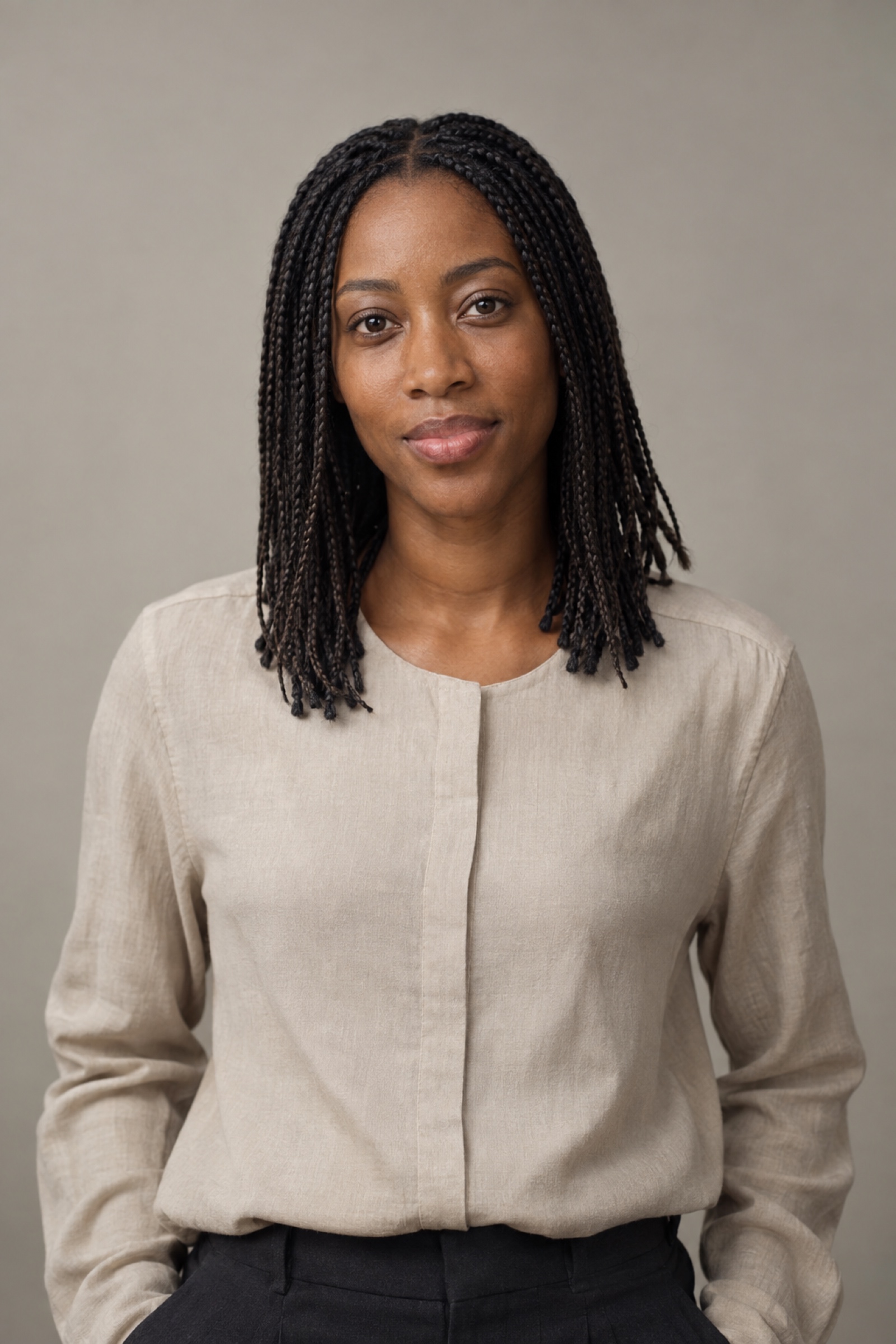
Founder and principal
Nadia Okonjo
Opened the studio in a rented back room in 2019 and still draws the first sketch by hand, usually on the back of something else. Nadia sets the question a project is trying to answer before anyone opens a drawing file, and she is the one who says no to the second staircase, the extra storey, and the client who wants a copy of the last house we finished. Every scheme in this office starts on her table and comes back to it twice.
She keeps a shoebox of losing competition entries in the corridor and makes every new starter spend an hour with it in their first week. The point is not modesty. Three of those drawings became the lending library at Sandwell six years later, because the idea had been right and the brief had been wrong, and she wants people to know the difference before they are asked to defend one.
Ask them about
- A site nobody else wanted
- The back room in 2019
- Why we stopped entering competitions

Design director
Tomas Lindqvist
Holds the work at the scale where a building meets the pavement in front of it. Tomas runs the Tuesday pinup, edits every drawing that leaves the office, and spends most of his week on the six inches either side of a threshold: the step, the reveal, the way a door sounds when it shuts. He came to us from a contractor, which is why our details are drawn to be built rather than to be admired.
He measures things. A tape lives in his coat pocket and there is a notebook of stair risers going back eleven years, most of them copied off stations and pubs. When an argument about a handrail turns abstract he goes and finds one that works, photographs it, and pins it up the next morning. Nobody in this studio has yet won that argument with a rendering.
Ask them about
- Stairs, at length
- Detailing for a real contractor
- Why the notebook is paper
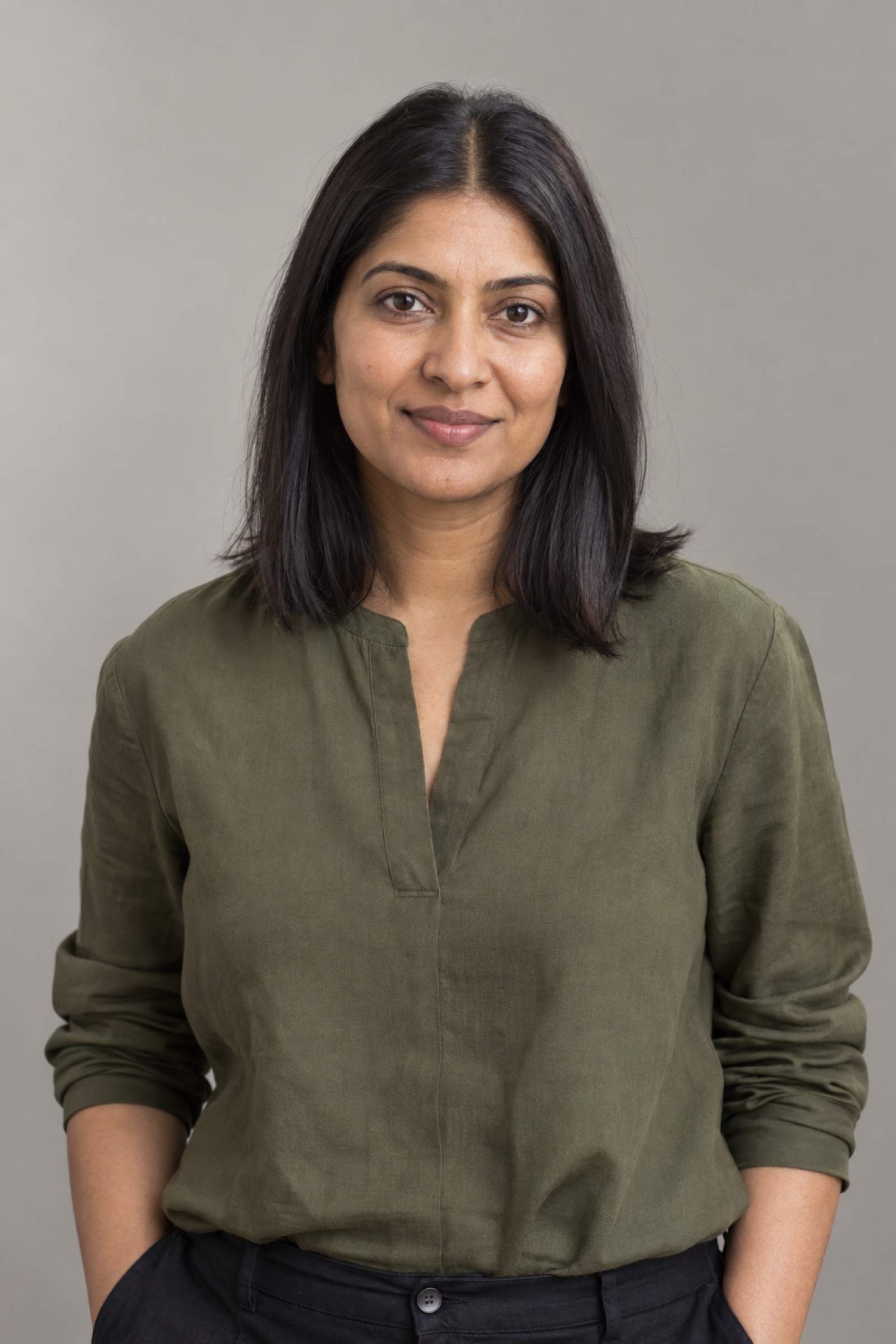
Head of interiors
Priya Raman
Chooses the surfaces, and argues hardest for the ones nobody notices until they are gone. Priya takes a scheme from the day the shell is fixed to the day the client moves furniture in: light, acoustics, joinery, and the storage that stops a good room filling up with coats. She works from a sample library she has been building since her first job, and she will not specify anything she has not held.
Her rule is that a material has to survive a hundred strangers sitting on it. That came from a community hall in Leeds where we drew a beautiful pale oak floor and watched it go grey over one winter. She now takes samples home, walks on them, spills tea on them, and brings them back with a verdict written in pencil on masking tape.
Ask them about
- Acoustics on a small budget
- Building a sample library
- What we did about that floor

Technical lead
Daniel Park
Turns the drawings into something a contractor can price on a Monday morning. Daniel owns the information: the model, the schedules, the drawing register, and the awkward conversation about which of them is out of date. He reads the regulations properly, so the rest of us can design against them rather than around them, and no package has left here with a revision letter he could not explain.
Every Friday he runs half an hour he calls the cold read, where somebody who has not touched the project looks through the package and asks what a builder would ask. It has caught a missing lintel, a door swinging into a radiator, and one staircase drawn twice at two different widths. He keeps the list of what it catches. It is on the wall, and it is getting longer.
Ask them about
- Fire strategy, early
- Naming a drawing set
- Running a cold read

Project architect
Marcus Boateng
On site more often than in the office, which is where the drawings get corrected. Marcus runs two projects at a time from ground-breaking to handover, chairs the site meeting, and translates between a client who wants certainty and a programme that cannot give it yet. He is the person a foreman rings at seven in the morning, and the reason we have not lost a week to a question nobody answered.
He photographs everything before it is covered up. There are eleven thousand pictures of insulation, ducts and buried services on the server, filed by date and grid reference, and twice they have settled a claim in an afternoon. When he talks about a building he talks about the order it was built in, which is a habit the rest of the office has slowly picked up from him.
Ask them about
- Chairing a site meeting
- Photographing the buildup
- Handover without a snag list
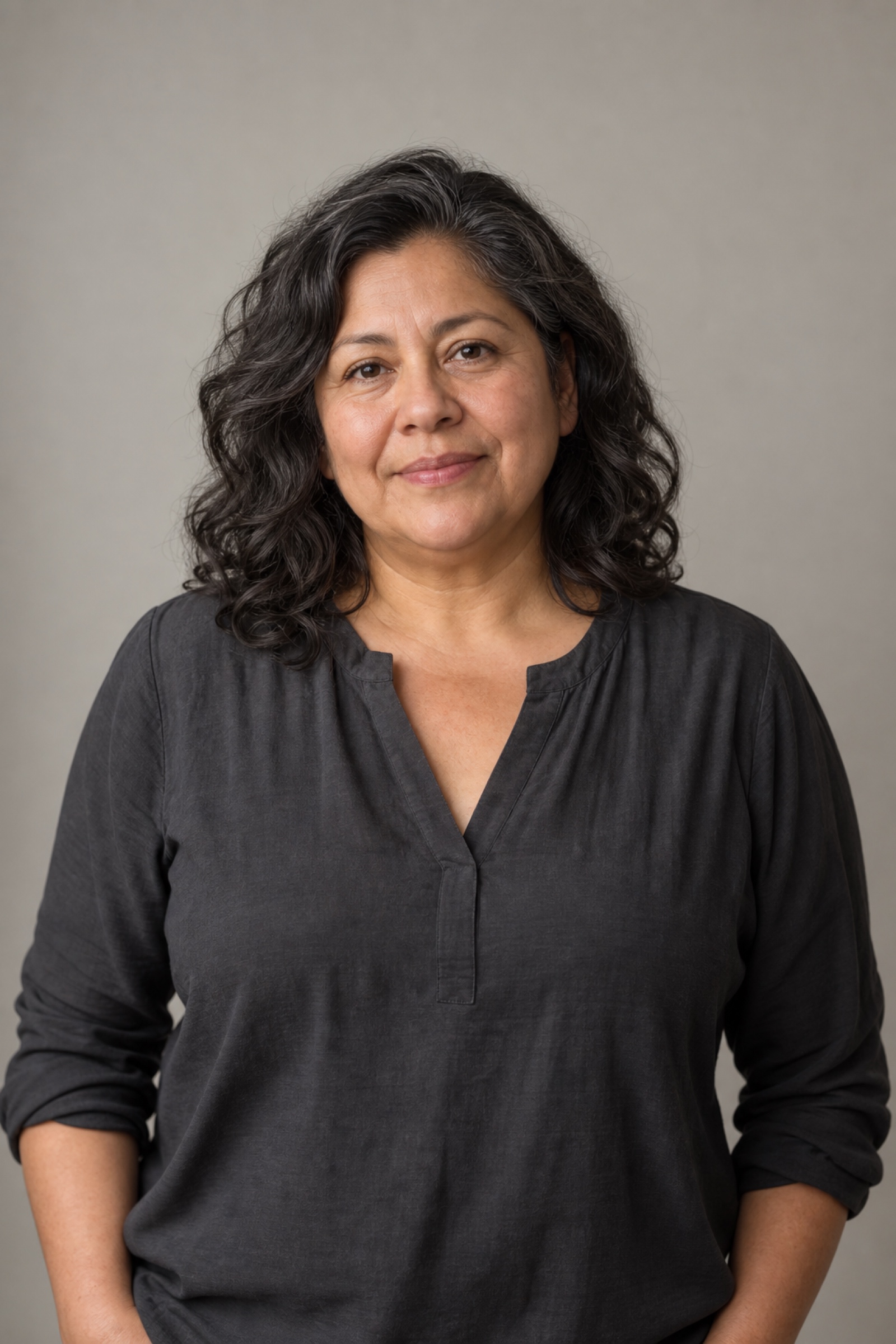
Studio manager
Elin Sorensen
Keeps six people, four sites and one temperamental coffee machine running to time. Elin holds the programme, the invoices, the appointments and the half of the job nobody puts in a portfolio: chasing a planning officer, booking a scanner, finding a room for a client meeting at an hour of notice. If you have worked with us and it felt organised, she is the reason.
She also runs the archive, which is the studio's real memory. Every project has a box: the first sketch, the objection letter, the photograph of the finished thing, and the note about what went wrong. New starters get an afternoon in there before they get a desk, because a practice that cannot remember what it learned in 2021 will pay to learn it again.
Ask them about
- Fees and programmes
- The project archive
- Booking us for a talk
We take on one apprentice a year and one project too big for us every other year. Both conversations start the same way.