Bankside Yard, London SE1
Monday to Friday, 9 to 6
+44 20 7946 0231
Hallmere
Essay
Twelve minutes
Spring issue
The slow work of getting a room to say one thing.
Most interiors are a list of decisions made on different days by different people. The rare ones were made once, by someone who stayed long enough to see what the light did in winter.
By a named author
When the studio took the lease the building had been empty for six years, and the first month was spent doing nothing to it. The team sat in it at different hours, watched where the sun landed and where it never did, and wrote down which corners people drifted towards without being asked. The plan that came out of that month is the plan that got built, almost unchanged.
What it is not is a showroom. Nothing in it was chosen to be photographed, and the few things that have been were photographed because they were already there. That distinction is the whole of the argument this piece makes, and it takes the rest of it to make.
03
In this guide
01 Before you measure
02 The survey
03 Reading the light
04 What to leave alone
Reading the light
A room has a different character at every hour, and a survey taken at eleven in the morning describes only one of them. This chapter is about the other twenty-three.
Start by doing nothing. Sit in the room at the start of the day and at the end of it, on a clear day and a dull one, and write down where the light falls and for how long. A plan drawn from one visit will put the desk where the glare is and the sofa where nobody can read.
Then look at what the light lands on. Pale walls return it and dark ones keep it, and the same window can make a room feel twice its size or half of it depending on nothing but the surface opposite. Before you move a wall, try changing what it is made of.
Artificial light is the last decision, not the first. Most rooms are lit for the one hour a day the designer visited and for none of the hours the owner lives in them. Choose the fittings after the month of watching, and choose fewer of them than you think you need.
The next chapter is about restraint, which is the hardest of these to learn and the only one that cannot be undone once it is forgotten.
The studio
Six people, one design system, not a single headshot.
Every person here is introduced by a monogram set in your own typeface. There is no portrait to commission, no crop to get wrong, and nothing to go missing when somebody leaves.
PR
Priya Raghunathan
Founder, principal design
Draws the ramp first and the colour last, which is why nothing here needs a palette.
MF
Marcus Feld
Design director
Twenty years of print behind him, and it shows in every measure on the page.
AB
Aoife Brennan
Lead engineer
Writes the markup the checkers try hardest to break, then breaks it herself first.
TL
Tomas Lindqvist
Systems and typography
Keeps the type scale honest across a serif theme and a sans one, without a fallback.
NO
Nadia Osei
Content strategy
Decides what a section is for before anyone decides what it looks like.
BW
Ben Whitlock
Client partner
Reads the brief twice, then asks the question everyone else had been avoiding.
Roles rotate by project. The studio keeps no bench, so whoever is named on a piece of work is the person who made it.
Twelve months, line by line.
Five figures, audited and dated. Each one is stated with what it was measured against, because a number with no basis is a claim.
Projects delivered
Across 38 client engagements since 2021.
240+
Client retention
Measured at twelve months, by revenue.
98%
Years in practice
Same three partners, same studio.
12
Average return
On the media spend we plan and place.
3.4×
Median first reply
Business hours, London and New York.
2h
Figures cover the twelve months to March 2026 and are restated each quarter. Method and sources on request.
Three rooms, in the order we finished them
One, north light
The long room before the shelves went in, shot from the door at eight in the morning.
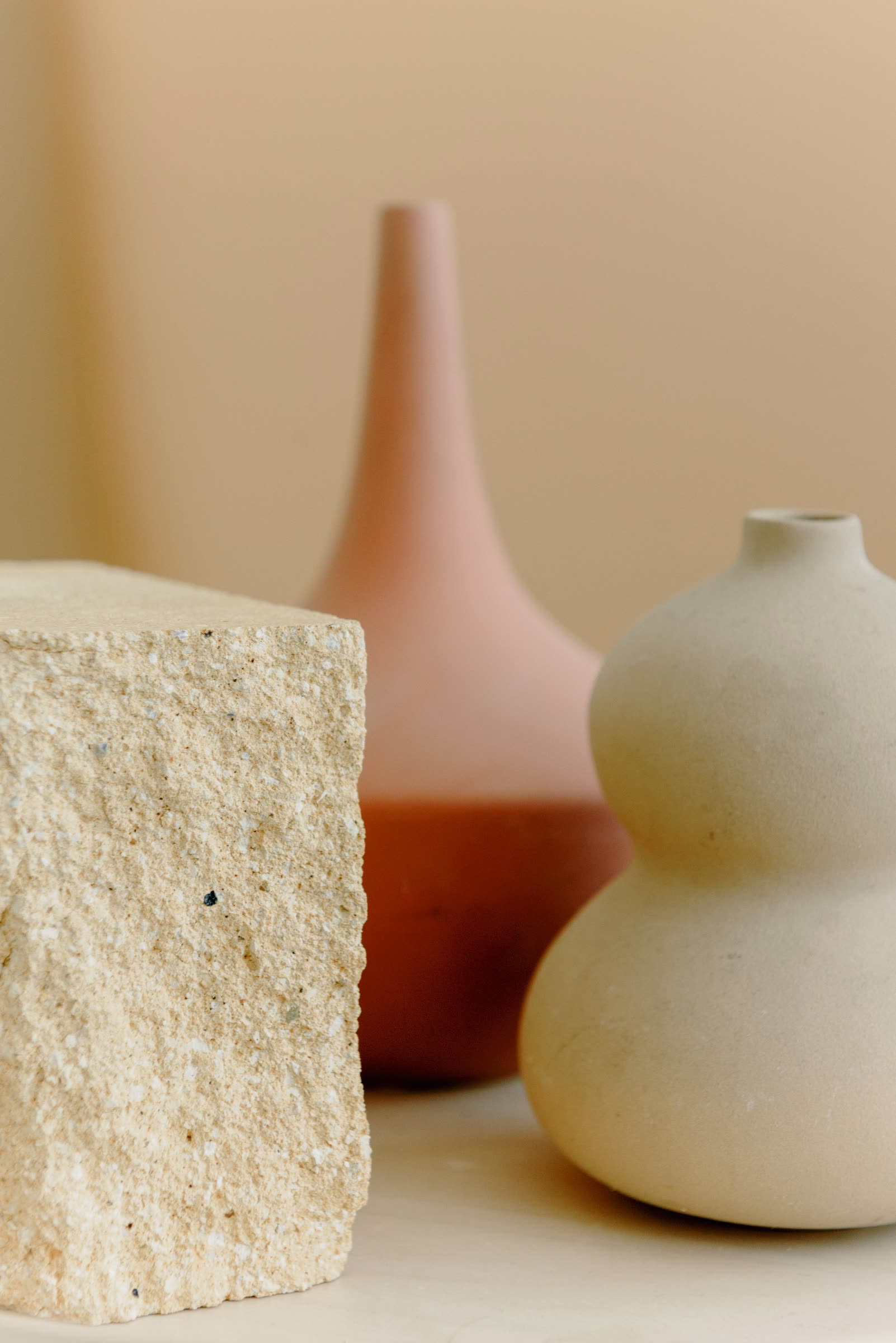
Two, the stair
Oak treads, no handrail yet, and the wall left exactly as we found it.

Three, back door
The last frame of the day, taken from the yard as the light went.

You have read the argument. The rest is a conversation.
Start a conversation →
No form. One reply, from a person
Hallmere
A small studio for brand, print and web, working from Bristol.
Visit
Unit 4, Tanners Yard, Old Market
Bristol BS2 0EJ, by appointment
Write
Follow
Legal
© Hallmere Studio Ltd. All rights reserved.