Hallmere
Essay
Twelve minutes
Spring issue
The slow work of getting a room to say one thing.
Most interiors are a list of decisions made on different days by different people. The rare ones were made once, by someone who stayed long enough to see what the light did in winter.
By a named author
When the studio took the lease the building had been empty for six years, and the first month was spent doing nothing to it. The team sat in it at different hours, watched where the sun landed and where it never did, and wrote down which corners people drifted towards without being asked. The plan that came out of that month is the plan that got built, almost unchanged.
What it is not is a showroom. Nothing in it was chosen to be photographed, and the few things that have been were photographed because they were already there. That distinction is the whole of the argument this piece makes, and it takes the rest of it to make.
Field notes
A line of text has a width at which people stop finishing it.
Everything else in a long article is negotiable. The measure is not. It decides whether the eye finds the start of the next line without effort, and a reader who loses that line twice does not come back for a third.
Set a paragraph across a full desktop window and you have built a wall. The eye reaches the right-hand edge, sweeps back, and lands a line above or a line below the one it wanted. Nobody notices this happening to them. They notice only that the article felt like work, and that they gave up somewhere in the middle of it.
The remedy was settled long before screens. Hold the line somewhere between forty-five and seventy-five characters and the return sweep becomes automatic again, which is another way of saying it becomes invisible.
Note 01
Forty-five to seventy-five characters, spaces counted. Two-thirds of that is a fair target for a column standing beside something else.
The awkward part is that a measure cannot be built from the units most layouts are built from. A width expressed as a share of the window moves when the window moves, and the type does not move with it, so the number of characters on a line drifts every time somebody drags a corner.
A measure has to be tied to the size of the thing it is measuring. State it in the same units as the type, and the line holds its character count in a narrow window, in a wide one, and on a display nobody has looked at yet.
Note 02
The reading column here is stated in rem, not in a share of the viewport. The letters and the column grow together, so the count does not move.
What is left over is the interesting part. Once the text stops at a fixed measure there is a strip of quiet page beside it, and that strip is not waste. It is where everything that would otherwise interrupt the argument can go and wait.
A definition, a caveat, a source, a second thought. Set any of them inside the paragraph and the sentence stalls while the reader carries the parenthesis to the end of it. Set them in the margin and they cost nothing until they are wanted.
Note 03
A note in the margin is optional reading. The same sentence in the paragraph is compulsory, and it costs the reader the thread.
Marginalia only works while there is a margin. On a phone there is none, so a note has to become something else rather than vanish, and rather than be swept to the foot of the article hundreds of words away from the sentence it belongs to.
So it settles directly beneath the paragraph it annotates, under its own rule, still set smaller than the body. The geometry is gone and the relationship is not, which is the only part of it a reader was ever reading.
Note 04
Every note is tied to its own paragraph rather than to the article. That is what lets the rail collapse without scattering.
Replace this line with your own byline
Part two
The corridor was the last thing anyone designed.
Every room on the plan had a client, a budget line and a person who would answer for it. The corridor had none of those, which is why it was drawn last and why, for a year, it was the only part of the building that everyone used and nobody liked.
The fix was not a material. It was a decision to let the corridor be wider than it needed to be at one end, so that the walk from the door to the far studio started somewhere that felt like a place rather than a gap between two of them.

Fig. 01
The wide end of the corridor, photographed from the door in the late afternoon. Replace this caption and point the image at your own file.
It cost four square metres of a store cupboard that nobody has since missed. What it bought was harder to put on the plan: the building now has a front, and people who arrive know within a step which way to turn.
That is the pattern of most of the good decisions in this building. None of them added anything. Each one took something away from the part of the plan that had an owner and gave it to the part that did not.
The brief asked for a building that would still look right in thirty years, which is a polite way of asking for one that does not look like this year. Nobody on the team had done that before, and the first three schemes were, in hindsight, simply the three things that were fashionable at the time.
The fourth came from the client, or rather from a question she asked in a meeting that was meant to be about something else.
“Which of these would you be embarrassed by first, and could we not build that one?”
Client, fourth meeting
It is not a design method and nobody has since tried to make it one. But it reframed the job as subtraction, and a team that is taking things away argues about different things than a team that is adding them.
The scheme that got built is the fourth one with two more things taken out of it, both at her suggestion, both in the last week.
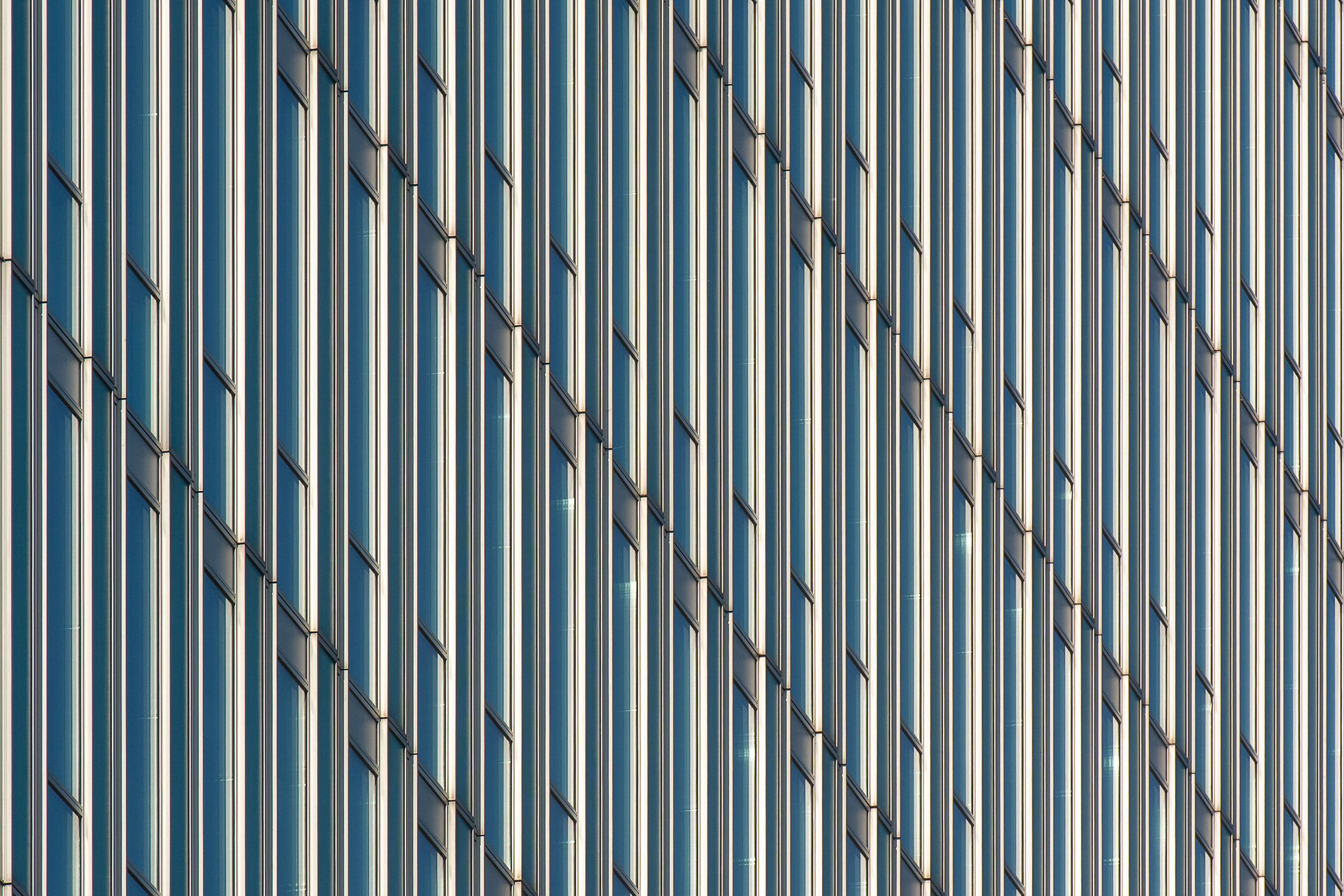
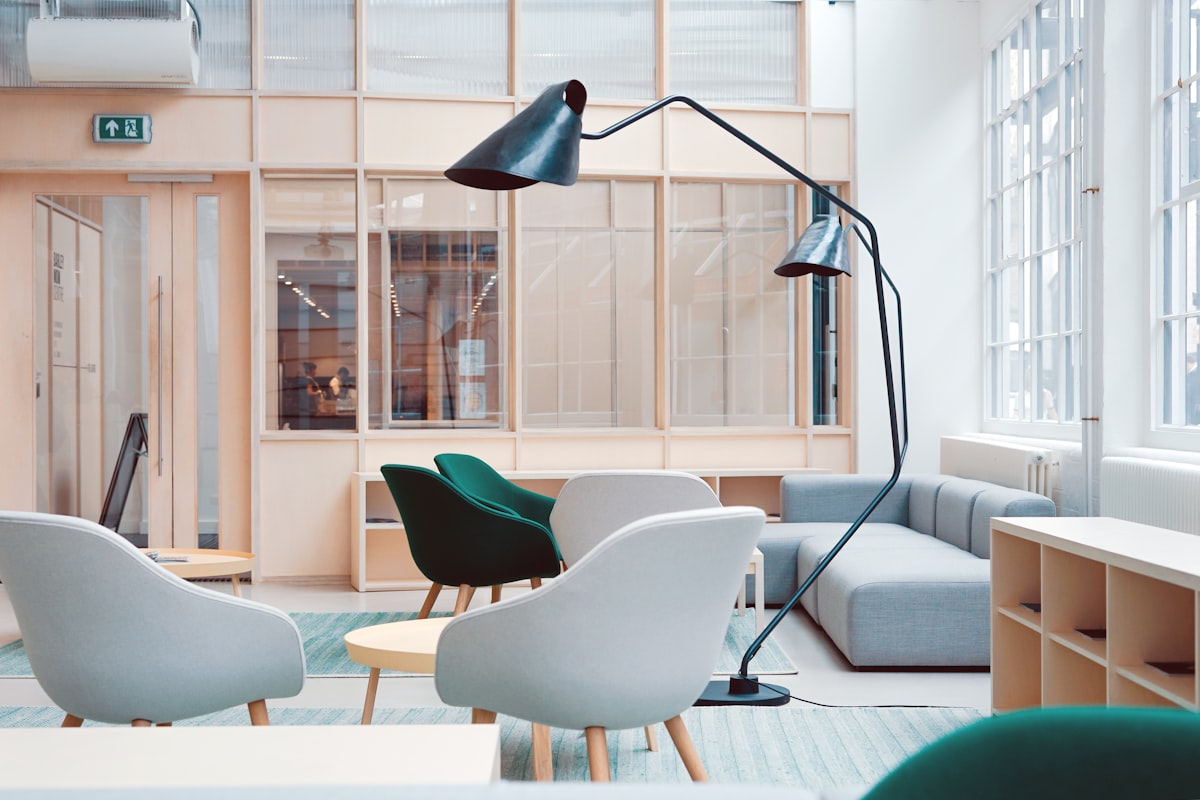
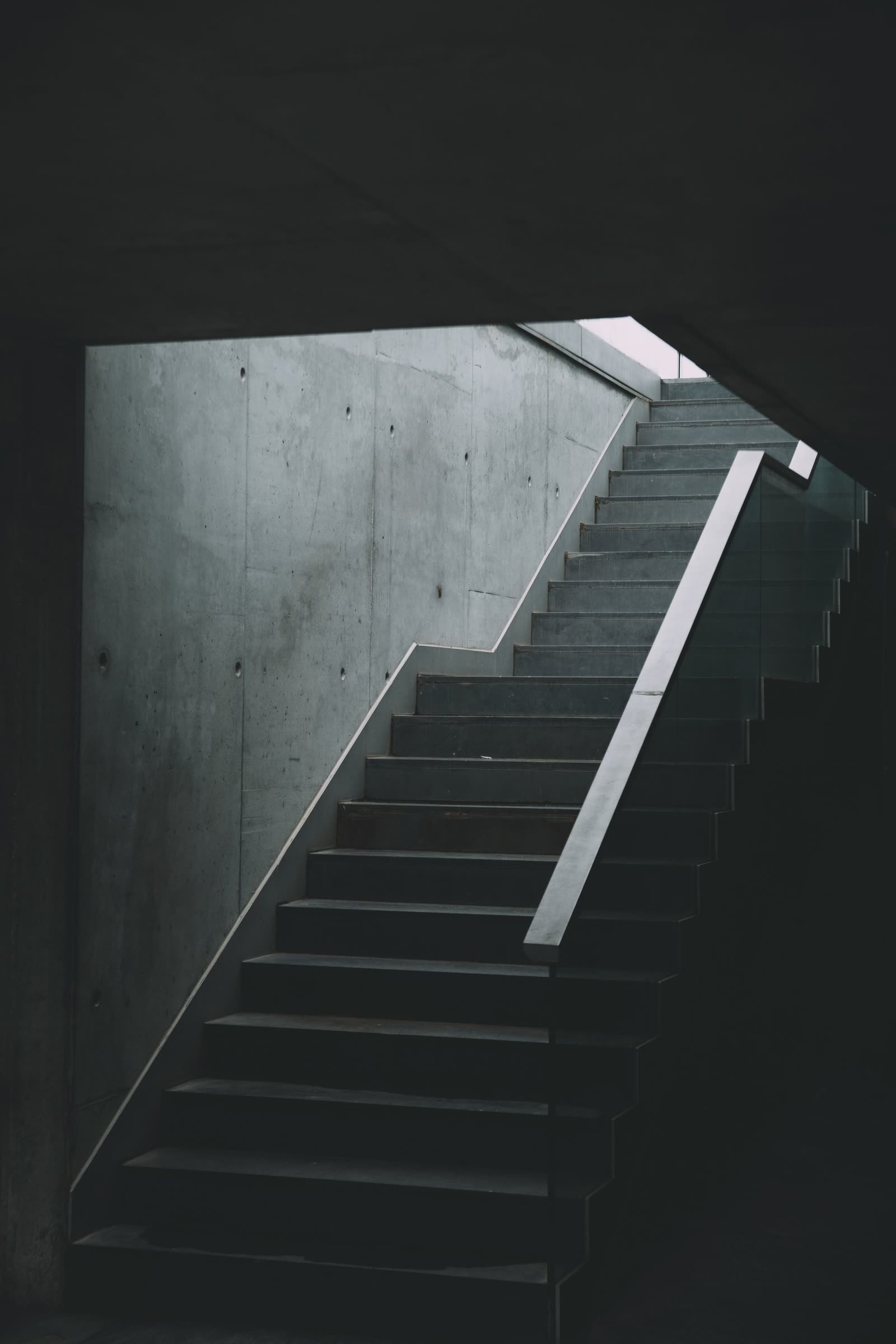
Three rooms, in the order we finished them
One, north light
The long room before the shelves went in, shot from the door at eight in the morning.
Two, the stair
Oak treads, no handrail yet, and the wall left exactly as we found it.

Three, back door
The last frame of the day, taken from the yard as the light went.
Recent writing
Three openings, each one an image inset in its own mat with a hairline drawn beneath it. The rule runs wider than the picture and carries the eye straight into the title under it.

Field notes
The shed that taught us to measure twice
14 March 2026

Process
Why we stopped drawing before we walked the site
2 March 2026
Materials
Six months of weather on an untreated larch wall
19 February 2026
Start a conversation
Got a brief that deserves better?
Find your way
© Halvard Studio. All rights reserved.